
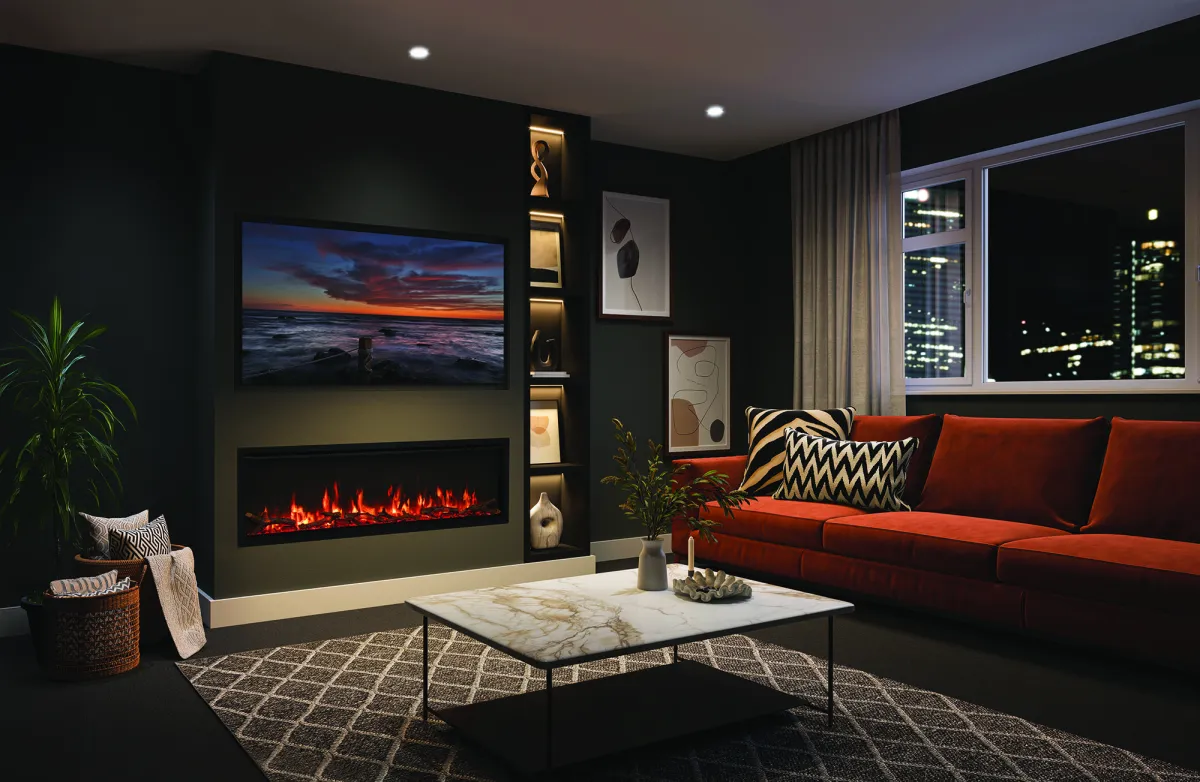
Custom Fireplace Solutions in Edinburgh for Every Home
Bespoke Fireplaces in Edinburgh: Design, Installation, and Custom Solutions
Bespoke fireplaces are custom-designed hearths and surrounds created to fit a specific space, architecture and lifestyle requirement in an Edinburgh home. They combine tailored proportions, chosen materials and integrated services—such as ventilation, wiring and media wall integration—to deliver a focal point that both heats and elevates a room. This article explains what bespoke fireplaces are, why homeowners choose custom designs in Edinburgh, the most popular fuel and format options, and how a professional installation is scoped and delivered. Readers will learn about material choices and maintenance, the regulatory context in Scotland (including the New Build Heat Standard), and transparent cost drivers that affect quotes. Practical sections describe the step-by-step installation workflow, maintenance schedules, and where to see live displays and integrated media wall examples locally. Throughout, emphasis is placed on design-driven decisions, efficient heating outcomes and how media-wall integration changes living spaces for modern Edinburgh properties.
What Are Bespoke Fireplaces and Why Choose Custom Designs in Edinburgh?
A bespoke fireplace is a purpose-designed fireplace system tailored to a room’s dimensions, architectural style and the homeowner’s preferences, combining a surround, hearth, insert and any venting or electrical work necessary. Custom design matters because it ensures correct proportions, appropriate materials for the property type (period terraces, modern flats or listed buildings) and efficient heat distribution adapted to local building fabric. Bespoke solutions also allow integration with fitted furniture and media walls so the fireplace reads as a single, coherent feature rather than an afterthought. For Edinburgh homes, where period detail and conservation requirements often influence choices, a bespoke approach reduces retrofit risks and delivers a better long-term value proposition. The next section explores how tailored design enhances character and function in different Edinburgh interiors.
How Does Bespoke Fireplace Design Enhance Your Edinburgh Home?
Bespoke fireplace design enhances homes by matching scale, finish and function to the room, creating a focal point that feels original and proportionate to the property. Designers assess architectural cues—cornice height, skirting depth and fireplace alcoves—so the surround and mantel sit in harmony with existing period details or contemporary minimalist interiors. This tailored fit improves heat distribution by specifying the correct insert or firebox for room size and insulation levels, which benefits both comfort and energy performance. Bespoke finishes also allow homeowners to coordinate stone, timber or metal with existing flooring and joinery, producing a unified interior aesthetic. Understanding how design choices affect both look and performance leads naturally into material and style options, which follow.
What Materials and Styles Are Available for Custom Fireplaces in Edinburgh?
Custom fireplaces employ a range of materials and stylistic approaches to suit Edinburgh’s varied homes, from carved stone surrounds for period houses to sleek metal and glass for contemporary flats. Material selection affects aesthetic longevity, maintenance needs and cost influence, so choices are made to balance appearance with practicality.
Different materials suit different architectural contexts and maintenance expectations.
This material guide clarifies trade-offs when choosing a finish, and the next major decision is the fuel type and format that best suits an Edinburgh home.
Which Types of Bespoke Fireplaces Are Popular in Edinburgh?
Bespoke fireplaces in Edinburgh commonly use three fuel approaches—electric, gas and wood-burning formats—each chosen for different installation constraints, heat output and regulatory considerations. The right choice depends on property type, flue availability, desired aesthetic and ongoing maintenance tolerance. Many bespoke media wall designs now integrate electric or gas units for clean lines and straightforward servicing, while stone surrounds and inset stoves remain popular where chimneys and ventilation exist. Below is a compact comparison to help homeowners weigh options quickly before exploring specific benefits.
Common bespoke fireplace formats and their suitability:
Inset / Hole-in-the-wall: Clean, modern look ideal for media wall integration.
Freestanding Stoves: Traditional character and high radiant heat in larger rooms.
Wall-mounted Electric: Low-installation impact, suitable for flats and rentals.
Built-in Gas Fireplaces: Controlled heat output with a neat finish for many homes.
When discussing electric and gas options, note that local bespoke providers often offer both fuel types and can integrate them into custom media wall solutions to combine heating with AV and storage. The next section outlines how installations typically progress from concept to handover.
How Does the Bespoke Fireplace Installation Process Work in Edinburgh?
A professional bespoke fireplace installation follows a staged workflow that ensures design accuracy, compliance and quality installation from initial consultation to the finished handover. The first phase establishes requirements and constraints, the middle phases focus on design, approvals and fabrication, and the final phase ensures safe commissioning and client sign-off. Typical timelines vary with complexity: a simple electric insert within a media wall can be completed quickly, while stone surrounds or flued gas and wood systems require surveys, ventilation checks and longer lead times. Clear communication and a documented process reduce surprises and align expectations for budget and schedule. The example below outlines a concrete six-step customer process used by an experienced bespoke media-wall specialist to illustrate a complete end-to-end workflow.
The six-step customer process demonstrates how professional project management minimises disruption and ensures regulatory checks are completed.
Initial Consultation: Discuss room, style preferences and fuel options; identify constraints such as chimneys, ventilation or listed-building considerations.
Site Survey & Measurements: On-site assessment to confirm dimensions, flue condition, structural needs and services routing.
Design & Specification: Produce drawings and material samples, specify appliance model and integration details for media wall and TV.
Approvals & Scheduling: Secure any necessary permissions, finalise timeline and confirm installer certifications where required.
Manufacture & Preparation: Fabricate bespoke surround, prepare panels and order appliance hardware for delivery.
Installation & Handover: Fit appliance, complete flue/electrical work, commission the fire, demonstrate operation and provide guarantees.
This stepwise approach helps homeowners understand responsibilities at each stage, and the next subsection explores technical integration specifics for a luxury media wall finish.
What Are the 6 Steps from Consultation to Installation at West Lothian Feature Walls?
West Lothian Feature Walls outlines a clear six-step customer journey from first meeting to final handover to illustrate how bespoke fireplace installations are managed professionally. The process begins with a detailed consultation to capture aesthetic and performance requirements, followed by a thorough site survey to verify dimensions and services. Design and specification produce drawings and material samples for client approval, which then lead to any necessary approvals and scheduling of work. Manufacturing or bespoke fabrication of surrounds occurs next, after which certified installers complete on-site installation, commission the appliance and conduct a formal handover with advice on use and care. This structured workflow supports predictable timelines and quality assurance, helping clients visualise how a media-wall-integrated fireplace moves from concept to a finished, guaranteed installation.
What Are the Costs and Regulations for Bespoke Fireplaces in Edinburgh?
Costs for bespoke fireplaces vary according to material choices, fuel type, installation complexity and any required chimney or flue works; planning for these drivers early prevents budget surprises. Regulations in Scotland—particularly the New Build Heat Standard (NBHS) for new-build properties—affect which fuel types are appropriate or permitted in certain developments, while existing homes must follow appliance and installation standards enforced through certified installers. Other cost influences include bespoke fabrication, routing for cables and gas lines, and finishing trades such as plastering or joinery. Homeowners should request detailed quotes that separate materials, appliance costs, installation labour and any remedial work to see where savings or increases occur. The following table unpacks typical cost factors and how they influence a final quotation.
Regulatory context is crucial: recent Scottish policy emphasises low-carbon heating in new builds while existing homeowners must still comply with appliance certification and safe installation rules. The following subsection summarises the key regulatory points and practical implications.
What Factors Influence the Cost of Bespoke Fireplace Installation in Edinburgh?
Material finish, fireplace appliance choice and the scope of site preparation are the principal cost drivers for bespoke installations. Stone and marble surrounds usually command higher fabrication and installation labour than timber or engineered panels, and bespoke joinery or integrated storage increases workshop time. Appliance choice matters: gas and wood-burning solutions typically require flue modifications, liner installation and certified commissioning, while electric inserts reduce structural work but may have lower resale heat-value. Access and site conditions—tight staircases, listed building constraints or required scaffolding—also add to labour and logistics. When comparing quotes, ask providers to itemise these drivers so you can target savings, for example by selecting a simpler surround material or choosing an electric insert where appropriate.
The complexities of presenting custom designs can be significant, mirroring some of the challenges faced in bespoke furniture creation.
Challenges in Bespoke Furniture Design and Presentation ABSTRACT: This thesis investigates the difficulties encountered during the design of bespoke furniture. Despite advancements in interior design education, services, and technologies that have improved the custom-made furniture ordering process, challenges remain. This study examines the complexities inherent in bespoke furniture design, highlighting constraints in spatial imagination, unarticulated requirements, and miscommunication among stakeholders. Traditional two-dimensional (2D) presentations, with their inherent limitations, prompt an exploration of augmented reality (AR) and virtual reality (VR) technologies as potentially transformative tools. The study, informed by my direct experience as a furniture designer, scrutinises the difficulties in presenting and understanding spatial plans. Two primary research questions guide this investigation: 1. What is the nature of the challenges in comprehending and presenting spatial solutions? 2. What is the potential role of AR and VR technologies in mitigating these challenges? This study unfolds fi Difficulties with understanding and presenting custom-made furniture design solutions, 2024
What Are the Latest Scottish Regulations Affecting Wood Burning Stoves and Fireplaces?
Scottish regulations increasingly prioritize low-emission heating for new-build properties under the New Build Heat Standard (NBHS), which influences fuel choices and compliance for developers and homeowners in certain contexts. For retrofit installations, wood-burning stoves and solid-fuel appliances must meet emissions and installation standards, including those set by the Scottish Government and local authorities, and installers should be certified through recognised bodies to ensure safe commissioning. Gas appliances must be fitted and serviced by Gas Safe-registered engineers, while solid-fuel installations typically require HETAS certification for combustion safety and chimney works. Homeowners should verify installer credentials and ensure any required approvals or building notices are obtained before work proceeds, as compliance affects both safety and long-term property value.
How Can You Maintain and Care for Your Bespoke Fireplace in Edinburgh?
Maintenance practices vary by fuel type but share common goals: ensure safe operation, preserve finishes and maintain efficiency. Routine visual checks and cleaned surrounds keep the aesthetic intact, while functional maintenance—servicing gas valves, checking seals on electric units or sweeping chimneys for wood-burning stoves—preserve safety and performance. Seasonal checks before heavy-use months reduce the risk of faults and expensive emergency repairs. Following a simple maintenance routine helps prolong appliance life and retains the bespoke surround’s condition. The next sections provide practical best-practice steps and guidance on when to call professionals.
Owners should follow a short checklist of routine tasks to keep both the appliance and bespoke surround in optimal condition.
Inspect visible seals and fittings: Ensure glass, gaskets and trims are intact and not warped.
Keep surrounds clean: Dust and wipe materials using manufacturer-recommended cleaners to avoid damage.
Monitor combustion by-products: For solid fuel, watch for soot build-up or smoke-back as signs to sweep.
Regular attention prevents deterioration and supports safe operation; the following paragraph explains when to schedule professional servicing.
What Are the Best Practices for Fireplace Maintenance and Repair in Edinburgh?
Best practices begin with manufacturer-recommended cleaning routines and regular visual checks of seals, vents and finishes to spot early signs of wear. For gas and electric appliances, annual servicing by a certified engineer verifies safe operation, checks controls and confirms combustion or electrical integrity. Owners of wood-burning stoves should ensure chimney sweeping at least annually and inspect for soot or tar deposits after heavy use; repairs to mortar, liners or flues should be completed promptly by a competent contractor. Keep a simple maintenance log noting service dates and any remedial work, which supports warranties and makes future servicing more efficient. Regular maintenance protects both the bespoke surround and the appliance’s safe functioning, and knowing when to schedule a professional prevents costly failures.
When Should You Schedule Professional Fireplace Servicing or Chimney Sweeping?
Professional servicing intervals depend on fuel type: gas and electric appliances generally benefit from an annual service to check seals, controls and safe operation, while wood-burning stoves and open fires typically require chimney sweeping at least once per year or more with heavy use. Immediate professional attention is warranted if you notice unusual smells, persistent smoke in the room, difficulty starting or controlling the fire, or visible damage to flues or seals. Certified engineers can also advise on emissions and efficiency improvements that may reduce running costs and ensure regulatory compliance. Prompt servicing preserves safety and can extend the life of both the appliance and bespoke surround.
Where Can You Experience Bespoke Fireplaces and Media Walls in Edinburgh?
Experiencing a fitted fireplace in person helps evaluate scale, finish and integrated media-wall solutions before committing to a bespoke design. Showrooms and portfolios allow homeowners to compare materials, view sample surrounds and see how electric or gas inserts perform in a room setting. Live displays help confirm TV mounting, cable routing and lighting options for integrated media walls, while demonstrations illustrate installation impacts on furniture placement and acoustics. When preparing to visit, think about photos of your space, desired TV size and functional needs so advisors can give more accurate guidance. The following sections describe what to expect from a local showroom experience and how media-wall integration transforms living spaces.
Visiting a showroom demonstrates material choices and integration options in real scale, which simplifies final design decisions.
What Can You Expect from the West Lothian Feature Walls Showroom in Livingston?
The West Lothian Feature Walls showroom in Livingston displays integrated media walls, sample fireplace surrounds and material finishes to help homeowners visualise bespoke solutions before committing. Visitors can see examples of fitted furniture, transportable media wall concepts and integrated fireplace units arranged to demonstrate proportion, cable routing and lighting effects. A showroom visit typically includes review of sample finishes, discussion of appliance fuel options and an initial measure or booking for a site survey, enabling a tailored quotation. The showroom setting supports informed decisions by allowing clients to compare stone, timber and metal finishes in person and to better understand how a bespoke fireplace will sit within their Edinburgh home.
How Do Bespoke Media Walls with Integrated Fireplaces Transform Edinburgh Living Spaces?
Integrating a fireplace into a bespoke media wall creates a single, cohesive focal point that combines heating, AV and storage while saving floor space and improving sightlines. Thoughtful placement balances TV viewing height and heat emissions, uses ventilation paths to protect electronics and employs recessed niches for speakers and cable runs. Lighting—such as concealed LED trims—enhances depth and highlight material textures, while coordinated joinery provides tidy storage and acoustic benefits. These transformations increase daily comfort, simplify living-room layouts and can uplift property presentation for future buyers, making media-wall integration an appealing option for modern Edinburgh interiors.
Unified Aesthetic: A single design language ties TV, fireplace and storage into one feature.
Space Efficiency: Built-in units free floor space and reduce bulky furniture needs.
Technical Integration: Planned ventilation and cable routing protect appliances and maintain sightlines.
These combined benefits explain why many homeowners choose bespoke media walls with integrated fireplaces when seeking both style and function in Edinburgh properties.


