
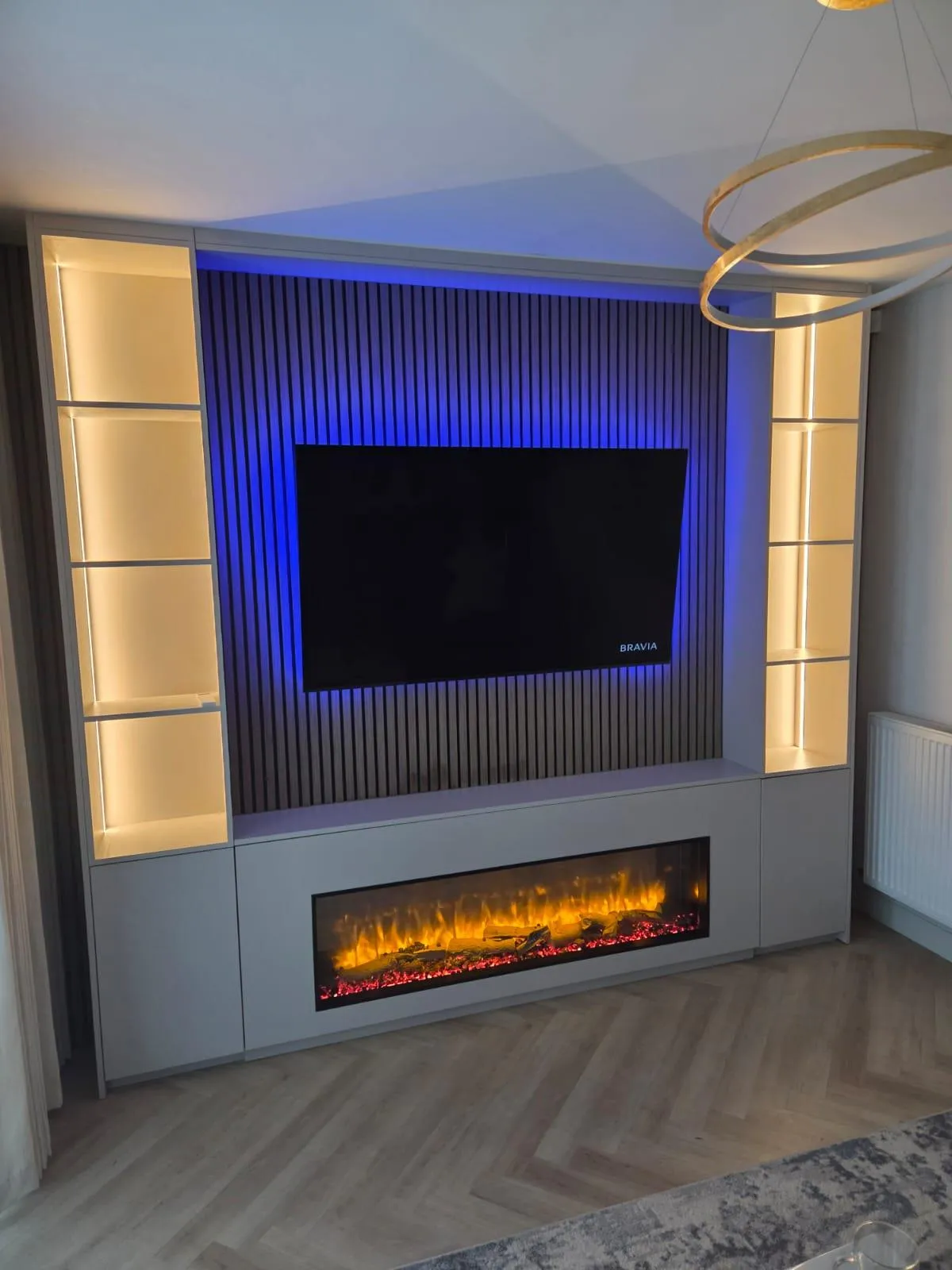
Stylish Built-in Furniture Solutions for Edinburgh Homes
Custom Fitted Furniture in Edinburgh: Bespoke Designs, Installation, and Storage Solutions
Custom fitted furniture in Edinburgh refers to purpose-made joinery designed to fit a specific space, combining bespoke design, manufacture, and professional installation to maximise storage and style. This article explains why homeowners choose fitted furniture, the common types available across Edinburgh properties, the step-by-step design and installation workflow, typical cost drivers and price ranges, current 2025 trends shaping bespoke pieces, and where to view real examples before committing. Many Edinburgh homes face awkward alcoves, bay windows, and constrained floorplans; fitted furniture solves these issues by turning irregular spaces into usable, attractive storage and living areas while adding long-term value. Readers will learn how materials and craftsmanship affect durability, how designers visualise concepts with 3D renders, and practical ways to obtain accurate quotes and showroom visits. The guide uses local context for Edinburgh and Central Scotland, highlights relevant design choices for period and modern properties, and points to family-run specialists who offer bespoke media walls and fitted solutions with showroom access in Livingston.
Why Choose Custom Fitted Furniture in Edinburgh?
Custom fitted furniture delivers targeted solutions for challenging floorplans by matching joinery precisely to room geometry, which increases usable storage and improves circulation. The mechanism is simple: measured design, tailored internal fittings, and door systems combine to convert wasted space into organised storage, improving functionality and aesthetic cohesion across a home. Homeowners gain three core benefits—space maximisation, tailored style that matches decor, and superior build quality that outlasts off-the-shelf options—making fitted furniture a strategic investment for many Edinburgh properties. The next paragraphs explain how bespoke design directly increases usable space and which materials indicate lasting craftsmanship.
Custom fitted furniture offers these practical advantages for Edinburgh homes:
Space is used more efficiently through made-to-measure storage and alcove solutions.
Style coherence is achieved by matching finishes, mouldings, and hardware to the property.
Durability and longevity come from higher-quality materials and professional fittings.
Each benefit translates into everyday improvements such as fewer visual clutter points and easier storage access; understanding space optimisation next clarifies common retrofit examples for local housing types.
How Does Bespoke Fitted Furniture Maximise Your Edinburgh Home Space?
Bespoke fitted furniture maximises an Edinburgh home by designing joinery to irregular footprints—bay windows, alcoves, or sloping ceilings—so every centimetre contributes to storage or function. Designers evaluate room geometry, circulation, and sightlines, then create internal layouts with adjustable shelving, drawers, and concealed compartments that increase accessible storage volume compared with freestanding units. This targeted approach can substantially increase organised storage capacity and reduce clutter, improving perceived room size and flow. Practical examples include under-stairs drawers that convert dead space into seasonal storage and full-height alcove bookcases that create seamless visual runs; the following section examines the materials and workmanship that deliver these gains.
What Materials and Craftsmanship Define Quality Fitted Furniture in Edinburgh?
Quality fitted furniture relies on appropriate material selection and joinery techniques to balance cost, durability, and finish; common choices include solid hardwoods for visible elements, veneered boards for consistent grain, and painted MDF for smooth, durable surfaces. Craftsmanship indicators to prioritise are precise edge detailing, dovetailed or reinforced drawer boxes, soft-close fittings, and integrated lighting, all of which improve longevity and user experience. Finishing choices—stains, lacquers, painted finishes, or mixed-metal hardware—should suit the property’s character: period terraces often pair painted joinery with heritage brass, while contemporary apartments favour matte finishes and concealed fittings. Local sourcing and workshop-based manufacture also support stricter quality control and quicker adjustments during installation, and the next section explores the variety of fitted furniture types homeowners can commission.
What Types of Custom Fitted Furniture Are Available in Edinburgh?
Edinburgh homeowners can commission a broad range of fitted joinery to suit bedrooms, living spaces, studies, and utility areas; typical categories include fitted wardrobes, bespoke bookcases, media units, and custom home office furniture. These categories function as hyponyms under the broader cabinetry and joinery umbrella and share meronyms such as doors, internal shelving, drawers, and integrated lighting systems. Choosing the right type depends on room function, architectural features, and desired aesthetics; the table below compares common fitted furniture types by room application, typical features, and primary benefit to help homeowners match solutions to their property.
After explaining types at a high level, a practical example of a local provider’s offering can illustrate how these categories are delivered in practice. West Lothian Feature Walls is a family-run specialist in Central Scotland that focuses on bespoke media walls and fitted furniture, offering tailored designs, high-quality materials, and an efficient installation process with a showroom located in Livingston; their media-wall portfolio is a useful reference for homeowners considering similar fitted units.
Which Fitted Wardrobes Are Best for Edinburgh Homes?
Selecting a wardrobe type for an Edinburgh property depends on space, period features, and access constraints; sliding doors suit compact rooms where door swing is restricted, while hinged doors work well in larger spaces or traditional layouts. Walk-in wardrobes require more floor area but provide highly custom internal organisation, whereas built-in wardrobes offer a space-saving, integrated look that complements period cornices and skirting. For flats and Victorian terraces common in Edinburgh, built-in and floor-to-ceiling solutions often deliver the best balance of storage and preservation of character, while sliding systems are ideal in modern apartments where footprint is limited. The next subsection explains how bespoke bookcases extend this principle to living and work areas.
How Can Bespoke Bookcases and Shelving Enhance Your Living and Workspaces?

Bespoke bookcases and shelving transform awkward walls and alcoves into purposeful displays and storage, improving room utility and aesthetic cohesion by matching scale and finish to surrounding architecture. Practical configurations include combined shelving-and-desk units for home offices, stepped shelving that follows bay windows, and concealed lower storage to hide everyday clutter while highlighting book or object displays above. Materials and finishes—painted MDF for a seamless look or natural timber for warmth—determine the visual weight of the unit, and integrated lighting improves function for reading or task work. Understanding these options helps homeowners choose bookcase systems that support both lifestyle needs and visual harmony; the next section outlines the typical process for commissioning fitted furniture in Edinburgh.
How Does the Custom Fitted Furniture Design and Installation Process Work in Edinburgh?

The commissioning process for custom fitted furniture in Edinburgh follows a predictable sequence from consultation through installation, ensuring measured design aligns with client needs and site constraints. The mechanism involves an initial site survey and brief, design development with materials selection and 3D visualisation, followed by workshop manufacture and on-site installation with final adjustments and handover. This workflow reduces surprises, clarifies cost drivers early, and delivers a finished product that fits precisely and performs for years.
Professional fitted furniture projects commonly follow these stages:
Consultation and Measurement: Designer visits the property to assess space, take precise measurements, and discuss style, storage needs, and budget.
Design and Visualisation: Designers produce 2D plans and 3D renders to show scale, materials, and internal layouts for client approval.
Manufacture and Quality Checks: Approved designs are manufactured in workshop environments with component-level quality control.
Installation and Handover: Skilled installers fit the joinery on-site, make finishing adjustments, and complete a handover with guarantees.
These steps provide a clear timeline and expectations; the next paragraphs examine each phase in more detail, beginning with the initial consultation.
What Happens During the Initial Design Consultation?
During an initial design consultation, a designer collects precise measurements, photographs room features, discusses functional needs, and captures a style brief and rough budget to guide options. The session typically identifies constraints such as skirting heights, cornice details, and power points that influence internal layouts and door systems, while also clarifying storage priorities like hanging space, shoe racks, or tech storage. Customers should prepare by photographing the room, noting items that need storage, and establishing a rough budget to focus material and hardware options. This groundwork ensures the design phase produces realistic proposals that match both the site and the homeowner’s priorities.
Design clarity from consultation leads naturally into how concepts are visualised and approved before manufacture.
How Are Bespoke Designs Visualised and Manufactured?
Design visualisation uses scaled 2D plans and 3D renders to show how fitted units will sit in a room, which allows clients to assess proportions, finishes, and internal layouts before production commences. Material samples and hardware mock-ups support informed choices between hardwood veneers, painted MDF, or mixed-metal fittings; once approved, workshop manufacture follows standard quality checkpoints including panel cutting, edge finishing, and assembly trials. Turnaround times vary with complexity but workshop workflows prioritise repeatable quality checks to ensure parts fit on site with minimal adjustment. Understanding these production stages helps homeowners anticipate timelines and the kinds of questions they will face at approval.
A smooth manufacture phase enables a focused, professional installation that minimises disruption during on-site works.
What Should You Expect from Professional Installation Services?
Professional installation typically involves site protection, accurate assembly, sealing and finishing, followed by a joint inspection and customer sign-off to confirm satisfaction and functionality. Installers will protect floors and furnishings, coordinate deliveries, and often complete paint or final touch-ups on site to integrate the joinery seamlessly into the room. Expect disruptive activity to be confined to scheduled days, with installers aiming to leave the home clean and fully operational on handover; warranties or satisfaction guarantees from providers can offer additional reassurance.
Clear communication about access, parking, and timing at the planning stage reduces on-site delays and ensures a smooth final phase.
How Much Does Custom Fitted Furniture Cost in Edinburgh?
Costs for custom fitted furniture in Edinburgh vary because price is driven primarily by size, materials, hardware, and complexity of installation rather than fixed product SKUs. A short answer for budget planning: small bespoke units and alcove shelving typically start at lower ranges, while full-room fitted wardrobes, complex media walls with AV integration, and high-end materials push prices higher; individual quotations are essential for accurate pricing.
The EAV table below summarises common cost drivers and indicative relative impacts to aid early budgeting and prepare for a detailed proposal.
This table helps homeowners see why two superficially similar projects can differ in price; the following list explains each factor in plain terms to support decision-making.
Key factors that influence the price of fitted furniture include:
Material choice and finish level, where solid timbers and premium veneers cost more than painted MDF.
Custom internal fittings and accessories such as pull-out trays, jewellery drawers, or integrated lighting.
Door types and hardware, with bespoke sliding systems or mixed-metal fittings adding to cost.
Installation complexity, including alterations for uneven floors, hidden services, or structural constraints.
After understanding price drivers, the practical next step is how to request a free quote or design consultation tailored to your Edinburgh home and what to expect from local providers.
What Factors Influence the Price of Fitted Wardrobes and Cabinets?
The biggest pricing variables for wardrobes and cabinets are material selection, internal configuration, and door systems; a full-height oak wardrobe with bespoke drawer banks costs considerably more than a standard-painted MDF run with basic shelves. Complexity such as curved bays, sloping ceilings, or built-in bedhead joins increases workshop time and on-site labour, while integrated features—lighting, lockable compartments, and specialised hardware—raise both material and assembly costs. Site access and remedial works (for example, levelling or relocating skirting) can also increase installation days, which affects total project cost. Clear scope definitions during the consultation minimise surprises and allow accurate comparative quotes from suppliers.
Understanding these factors makes it easier to prepare the information suppliers need; the next subsection explains how to get a free quote or design consultation locally.
How Can You Get a Free Quote or Design Consultation in Edinburgh?
To obtain an accurate quote, provide clear photos, rough measurements, and an outline of priorities when requesting a consultation; suppliers typically offer an on-site survey followed by design proposals and a written estimate. Booking processes vary—online enquiry forms, phone enquiries, or showroom appointments—but preparing a simple brief (room function, preferred finishes, budget range) streamlines the first meeting and speeds design turnaround. For homeowners in Central Scotland, visiting a showroom to view finishes and samples is particularly useful; West Lothian Feature Walls operates a showroom in Livingston where clients can view examples of bespoke media walls and fitted furniture and discuss project possibilities in person. The following paragraphs explain how customer feedback and galleries provide reassurance and decision support.
With pricing and quoting clarified, readers will benefit from understanding current material and design trends shaping bespoke fitted furniture decisions in 2025.
What Are the Latest Trends in Bespoke Fitted Furniture for Edinburgh Homes?
2025 trends in bespoke fitted furniture bring together richer materials, curved geometry, mixed metals, and space-saving multifunctionality, reflecting homeowners’ desire for tactile, durable interiors that also maximise usability. These trends emerge from a combination of aesthetic preference and practical necessity—dark woods and earthy tones create warmth in cooler climates, while integrated technology and concealed storage address modern living. The table below maps prominent trends to why they are popular and gives concrete design or material examples to help homeowners imagine how trends translate into fitted solutions.
Seeing trends in practical terms helps homeowners choose options that will age well and fit local character; the next subsections examine material choices and multi-functional design applications.
Which Materials and Finishes Are Popular in Edinburgh Custom Furniture?
In Edinburgh, popular materials include engineered oak and walnut veneers for visible surfaces, painted MDF for seamless, contemporary finishes, and mixed metal hardware for contrasting detail; each choice balances cost, durability, and aesthetic. Solid hardwood is chosen where grain and longevity matter, while veneer over stable core boards delivers the look of solid wood with better dimensional stability in varying humidity. Matte and satin finishes remain popular for their understated, modern appearance, while brass or aged metal fittings add a heritage touch suited to period properties. Selecting the right combination of materials and finishes ensures the fitted unit complements the home’s architecture and meets daily use demands.
Material and finish selection sets the stage for multi-functional layouts that maximise usable space without sacrificing design.
How Are Space-Saving and Multi-Functional Designs Shaping Edinburgh Interiors?
Space-saving and multi-functional fitted furniture responds to smaller urban footprints and hybrid living needs by combining functions—such as media walls that conceal storage or worktops that fold away into cabinetry—thereby increasing usable floor area and flexibility. Examples include media units with concealed desks, storage benches with lift-up lids, and bedhead joinery with integrated wardrobes that centralise storage while preserving circulation. These solutions quantify benefits in reclaimed floor space and reduced ancillary furniture, and they suit households needing adaptable rooms for work, leisure, and guests. Thoughtful multi-function design delivers both practicality and a cleaner visual aesthetic, which is increasingly valuable in contemporary Edinburgh interiors.
After exploring trends, homeowners often want to see real-world examples; the following section explains where to view portfolios and galleries.
Where Can You See Examples of Custom Fitted Furniture Projects in Edinburgh?
Viewing completed projects and before-and-after galleries helps homeowners assess fit, finish, and the practical effectiveness of bespoke solutions; online portfolios, case studies, and showroom displays are the most informative resources.
A well-curated portfolio presents the design challenge, the intervention, and the outcome with high-resolution images and short captions that explain materials and the client brief. For those in Central Scotland, showroom visits allow tactile inspection of finishes, hardware, and joinery details—West Lothian Feature Walls offers a showroom in Livingston where clients can view examples of bespoke media walls and fitted furniture and discuss project possibilities in person. The following paragraphs explain how customer feedback and galleries provide reassurance and decision support.
What Do Edinburgh Customers Say About Their Bespoke Furniture?
Customer feedback for bespoke fitted furniture typically emphasises craftsmanship, communication during design, and the reliability of installation, with testimonial themes focusing on problem-solving for awkward spaces and long-term satisfaction with finishes and functionality. Aggregated feedback helps prospective clients evaluate common outcomes—on-time installation, accurate fitting, and durable finishes—and highlights which suppliers consistently meet expectations. When assessing testimonials, look for details about project scope and measurable results such as increased storage capacity or improved room usability rather than generic praise. These themes support confident decision-making and point homeowners toward suppliers who prioritise transparency and service quality.
How Do Before-and-After Galleries Demonstrate Our Craftsmanship?
Before-and-after galleries demonstrate craftsmanship by juxtaposing the original problem—such as wasted alcove space or visual clutter—with the installed solution, using detail shots to show joinery tolerances, edge finishes, and hardware integration. Effective galleries include wide context images plus close-ups of joints, drawer interiors, and concealed fittings to illustrate attention to detail and finish quality. Captions should describe the challenge, the bespoke intervention, and the outcome, enabling viewers to match solutions to their own needs. High-quality visual evidence combined with clear project notes provides the most persuasive demonstration of workmanship and problem-solving ability for homeowners considering bespoke fitted furniture.


